

- الثلاثاء ٠٢ يونيو ٢٠٢٥
- افضل مكتب دراسات جدوى في الرياض
ماذا تفشل المشاريع؟ نظرة داخلية من منظور دراسات الجدوى | دليلك الشامل
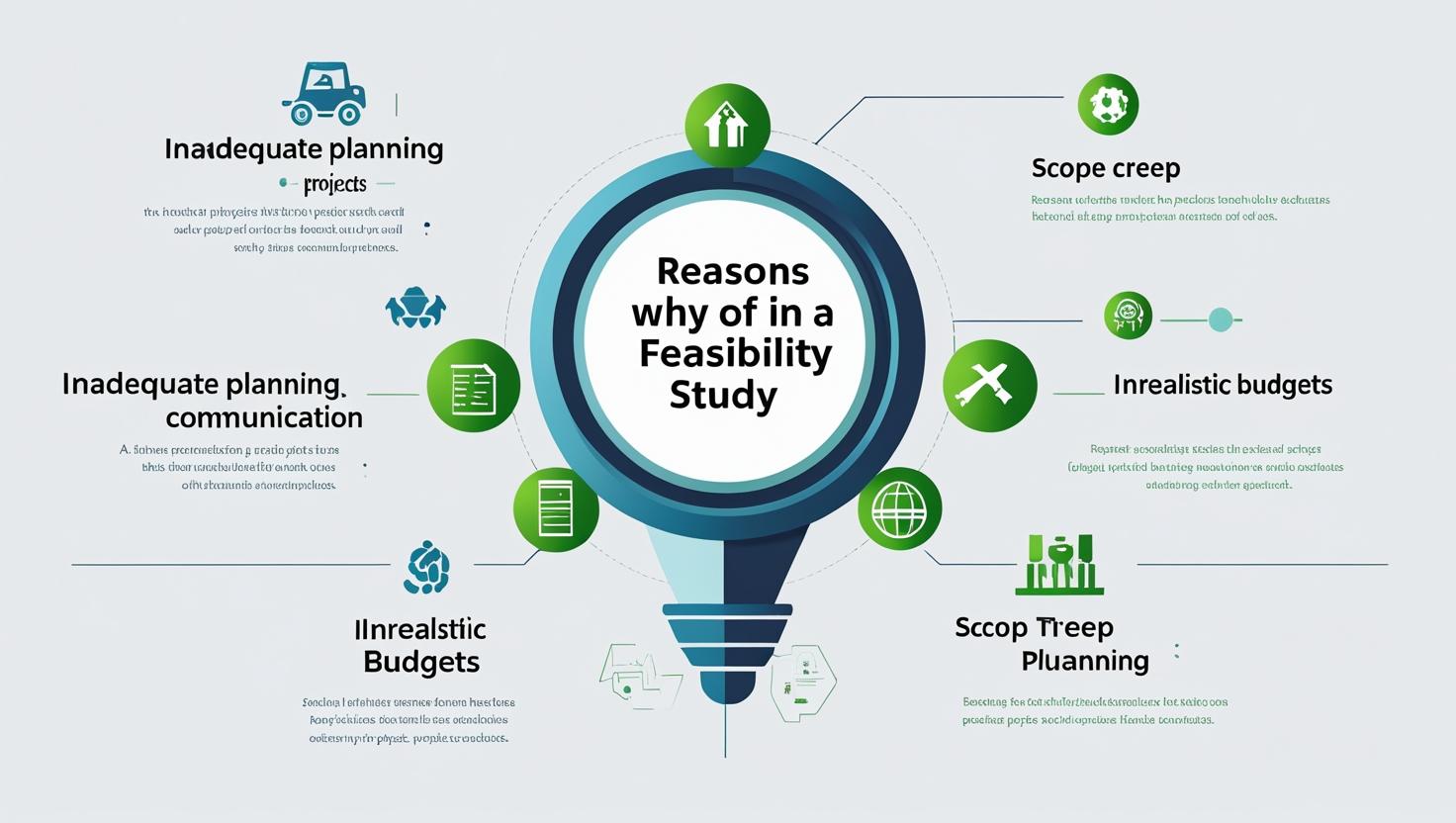
لماذا تفشل المشاريع؟
نظرة داخلية من منظور دراسات الجدوى - دليلك العلمي الشامل
المقدمة: عندما تتحطم الأحلام على صخرة الواقع
80%
من المشاريع تفشل في تحقيق أهدافها المرجوة
في عالم الأعمال سريع الخطى، تولد الأفكار كل ثانية، وتتشكل المشاريع كل دقيقة، وتنطلق الاستثمارات كل ساعة. لكن خلف هذا المشهد البراق من النشاط والحيوية، تكمن حقيقة مؤلمة ومكلفة: 80% من المشاريع تفشل في تحقيق أهدافها المرجوة. هذه ليست مجرد إحصائية باردة، بل واقع يعيشه يومياً ملايين أصحاب الأعمال والمستثمرين حول العالم.
تخيل للحظة: رجل أعمال طموح يستثمر مدخرات عمره في مشروع صناعي واعد، شركة عقارية تضع كل ثقلها خلف مشروع سكني ضخم، أو مؤسسة تقنية تراهن على منتج ثوري جديد. في كل هذه الحالات، هناك عامل مشترك واحد يفصل بين النجاح والفشل، بين تحقيق الأرباح وخسارة الاستثمار، بين بناء الإمبراطوريات والانهيار: جودة دراسة الجدوى.
مكتب دراسة جدوى متخصص ليس مجرد خدمة استشارية إضافية، بل هو البوصلة التي توجه سفينة مشروعك عبر محيط الأعمال المتلاطم.
عندما نتحدث عن مكاتب دراسات الجدوى المتخصصة، فإننا نتحدث عن الفرق بين اتخاذ قرارات محسوبة ومدروسة وبين المقامرة العمياء في عالم مليء بالمخاطر والتحديات.
في هذا المقال الشامل، سنأخذك في رحلة علمية عميقة لفهم الأسباب الجذرية وراء فشل المشاريع، وكيف يمكن لـ مكتب دراسة جدوى صناعية متخصص أو دراسة مشروع عقاري أن يكون الدرع الواقي الذي يحمي استثمارك من مصير الفشل المحتوم.
الفصل الأول: الحقيقة المرة - إحصائيات الفشل التي تهز عالم الأعمال
الأرقام لا تكذب: واقع مؤلم يجب مواجهته
عندما نتحدث عن فشل المشاريع، فإننا لا نناقش ظاهرة نادرة أو استثنائية، بل وباءً حقيقياً يجتاح عالم الأعمال بلا رحمة. الإحصائيات الحديثة من أعرق المؤسسات البحثية في العالم تكشف حقائق صادمة تجعل كل مستثمر ورجل أعمال يعيد النظر في استراتيجيته.
2.5 تريليون دولار
تخسرها الشركات سنوياً بسبب فشل المشاريع
وفقاً لتقرير Harvard Business Review المنشور في عام 2023، تشير بعض التقديرات إلى أن معدل فشل المشاريع يصل إلى مستوى مذهل قدره 80%. هذا يعني أن من كل خمسة مشاريع تنطلق بحماس وطموح، أربعة منها محكوم عليها بالفشل منذ اللحظة الأولى.
الأسباب الخمسة القاتلة: تشريح علمي لكارثة الفشل
السبب الأول: المشروع الخاطئ من البداية
هذا هو السبب الأكثر تدميراً وشيوعاً. عندما يكون المشروع نفسه معيباً في مفهومه الأساسي، تصبح كل الجهود اللاحقة مجرد إهدار للوقت والمال. مثال صارخ على ذلك مشروع "الجسر إلى اللامكان" في ألاسكا، والذي كان سيكلف 223 مليون دولار لربط مدينة يسكنها 8,000 نسمة بجزيرة نائية لا يسكنها سوى 50 شخصاً.
- القيود غير الواقعية: عندما تكون الموارد المخصصة للمشروع غير كافية
- نقص القيادة الفعالة: المشاريع المعقدة تحتاج قيادة قوية ومتخصصة
- التعقيد المفرط: المشاريع التي تمتد عبر فرق وجغرافيات متعددة
- إهمال الأساسيات: أحياناً الأخطاء الصغيرة تدمر المشاريع الكبيرة
إحصائيات مرعبة من واقع الأعمال العالمية
دراسة شاملة أجرتها مؤسسة إدارة المشاريع (PMI) في عام 2024 كشفت أن:
- 67% من المشاريع تتجاوز الميزانية المحددة
- 71% من المشاريع تتأخر عن الجدول الزمني المخطط
- 43% من المشاريع لا تحقق الأهداف التجارية المرجوة
- 31% من المشاريع يتم إلغاؤها قبل الانتهاء
هذه الإحصائيات ليست مجرد أرقام، بل صرخة تحذير لكل من يفكر في إطلاق مشروع دون إجراء دراسات المشاريع اللازمة.
الفصل الثاني: دراسات الجدوى - الدرع الواقي ضد الفشل
ما هي دراسة الجدوى؟ تعريف علمي شامل
دراسة الجدوى هي تقييم شامل ومنهجي لإمكانية تنفيذ مشروع معين بنجاح، من خلال تحليل جميع الجوانب التقنية والاقتصادية والقانونية والتشغيلية والزمنية. إنها بمثابة فحص طبي شامل للمشروع قبل ولادته، تكشف نقاط القوة والضعف والمخاطر والفرص.
عندما نتحدث عن مكتب دراسة جدوى متخصص، فإننا نتحدث عن فريق من الخبراء متعددي التخصصات الذين يمتلكون الأدوات العلمية والمنهجيات لتشريح المشروع من جميع الزوايا.
الأنواع الخمسة لدراسات الجدوى: تحليل علمي متكامل
1. الجدوى التقنية: هل يمكن تحقيق الحلم تقنياً؟
الجدوى التقنية تركز على تقييم ما إذا كانت التكنولوجيا والموارد التقنية المطلوبة متاحة وقادرة على تحقيق الأهداف المرجوة. في عصر التطور التكنولوجي المتسارع، تصبح هذه الجدوى أكثر تعقيداً وأهمية.
عندما يقوم مكتب دراسة جدوى صناعية بتقييم مشروع تصنيعي جديد، فإنه يدرس عوامل متعددة: هل التكنولوجيا المطلوبة متاحة تجارياً؟ ما هي درجة نضجها؟ هل يمكن الحصول عليها بتكلفة معقولة؟
2. الجدوى الاقتصادية: هل المشروع مربح حقاً؟
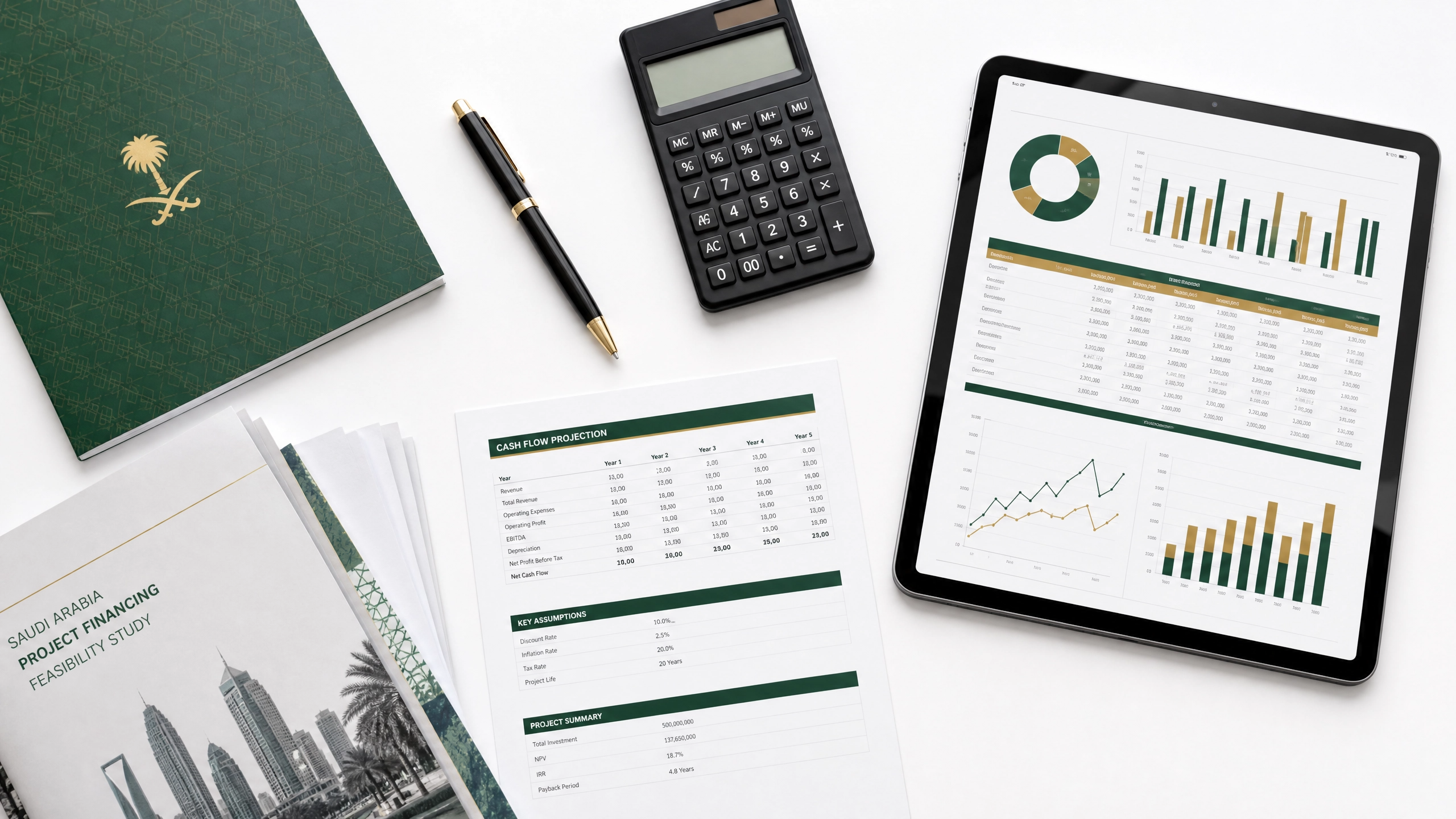
الجدوى الاقتصادية هي قلب أي دراسة مشروع صناعي أو دراسة مشروع عقاري. تشمل تحليل التكلفة والعائد بدقة، تقييم العائد على الاستثمار، تحليل التدفق النقدي، حساب فترة الاسترداد، وتقييم المخاطر المالية.
3. الجدوى القانونية: هل المشروع متوافق مع القوانين؟
تدرس هذه الجدوى جميع الجوانب القانونية والتنظيمية المتعلقة بالمشروع. هل هناك قوانين تمنع أو تقيد المشروع؟ ما هي التراخيص المطلوبة؟ ما هي المتطلبات البيئية والصحية؟
4. الجدوى التشغيلية: هل يمكن إدارة المشروع بكفاءة؟
تقيم هذه الجدوى قدرة المؤسسة على تشغيل المشروع بنجاح. هل لديها الموارد البشرية المطلوبة؟ هل لديها الخبرة الإدارية؟ هل يمكن دمج المشروع مع العمليات الحالية؟
5. الجدوى الزمنية: هل التوقيت مناسب؟
تدرس هذه الجدوى ما إذا كان التوقيت مناسباً لإطلاق المشروع. هل السوق جاهز؟ هل هناك فرصة زمنية محددة يجب استغلالها؟ ما هو الجدول الزمني الواقعي للتنفيذ؟
الفوائد السبع لدراسات الجدوى: لماذا هي استثمار وليس تكلفة
- تخفيف المخاطر: الوقاية خير من العلاج
- تحسين تخصيص الموارد: كل دولار في مكانه الصحيح
- دعم اتخاذ القرار: قرارات مبنية على العلم وليس الحدس
- التحقق من السوق: هل هناك طلب حقيقي؟
- تحسين التواصل: لغة مشتركة لجميع الأطراف
- الامتثال القانوني: تجنب المشاكل قبل حدوثها
- أساس التخطيط: خارطة طريق واضحة
دراسة أجرتها شركة ماكينزي أظهرت أن الشركات التي تجري دراسات جدوى شاملة تزيد احتمالية نجاح مشاريعها بنسبة 65% مقارنة بالشركات التي لا تجريها.
هل تريد حماية استثمارك من الفشل؟
لا تقامر بمستقبلك المالي. احصل على استشارة مجانية من خبراء دراسات المشاريع المتخصصين
تواصل معنا عبر الواتسابالمراجع العلمية والمصادر
[1] Harvard Business Review. (2023).
"Why Big Projects Fail — and How to Give Yours a Better Chance of Success."
[2] Project Management Institute. (2024).
"Maximizing Project Success Report." PMI Research & Insights.
[3] Gartner Research. (2024).
"AI Project Failure Statistics and Analysis." Technology Research Reports.
[4] McKinsey & Company. (2023).
"The State of AI in 2023: Generative AI's Breakout Year." Global Survey Results.
[5] TeamStage. (2024).
"Project Management Statistics 2024: New Trends."
مقالات ذات صلة

- الثلاثاء ٠١ ديسمبر ٢٠٢٤
- افضل مكتب دراسات جدوى في الرياض
كيف تبحث عن أفضل مكتب دراسات جدوى في الرياض
- الثلاثاء ٠٢ ديسمبر ٢٠٢٤
- افضل مكتب دراسات جدوى في الرياض