



- الثلاثاء ٠٢ يونيو ٢٠٢٥
- مشاريع خدمات
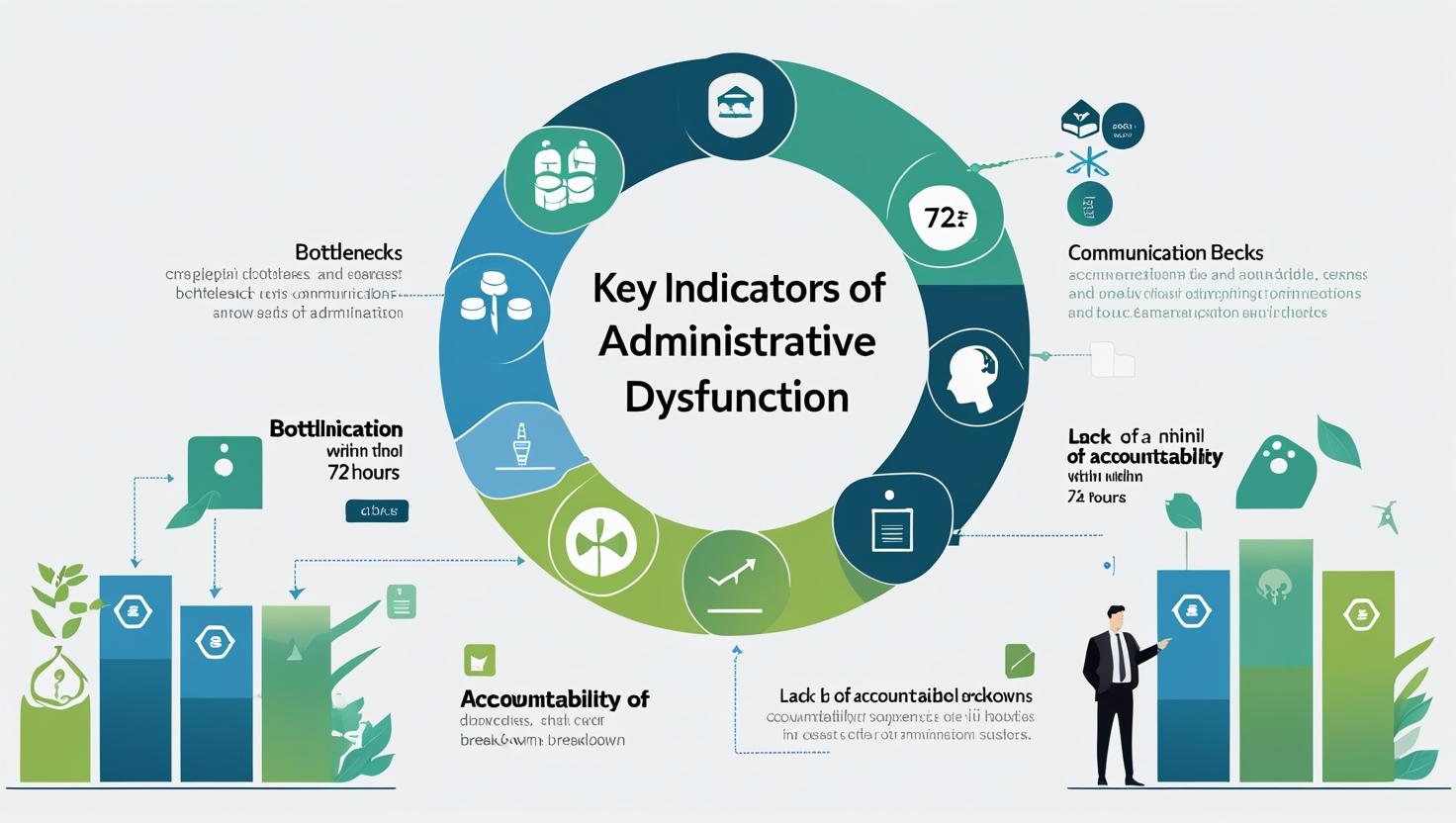
كيف نكتشف الخلل الإداري في شركتك خلال 72 ساعة؟ | دليل شامل للتشخيص السريع
كيف نكتشف الخلل الإداري في شركتك خلال 72 ساعة؟
دليلك العلمي للتشخيص السريع والحلول المؤثرة
فهرس المحتويات
هل تساءلت يوماً لماذا تتراجع أرباح شركتك رغم الجهود المبذولة؟ أم لماذا يبدو الموظفون أقل حماساً وإنتاجية مما كانوا عليه من قبل؟ إن الإجابة قد تكمن في خلل إداري خفي يتسلل إلى أعماق مؤسستك دون أن تدرك وجوده.
وفقاً لدراسة حديثة من Harvard Business Review، فإن 70% من مبادرات التغيير في الشركات تفشل، وهذا الفشل غالباً ما يعود إلى عدم اكتشاف المشاكل الإدارية في الوقت المناسب.
إحصائيات صادمة لا يمكن تجاهلها:
- 12.9 مليون دولار - متوسط التكلفة السنوية لجودة البيانات الضعيفة (Gartner)
- 85% من المديرين التنفيذيين يبلغون عن زيادة في مشاريع إدارة التغيير
- 34% فقط من هذه المبادرات تحقق النجاح المطلوب
- 37% من الموظفين يقاومون التغيير التنظيمي
لكن ماذا لو أخبرتك أن بإمكانك اكتشاف هذه المشاكل وتشخيصها خلال 72 ساعة فقط؟ ماذا لو كان بإمكانك تحويل شركتك من حالة الركود والتراجع إلى حالة من النمو والازدهار في غضون أيام قليلة؟
فهم طبيعة الخلل الإداري: أكثر من مجرد مشكلة سطحية
قبل أن نتعمق في منهجية التشخيص السريع، من الضروري أن نفهم طبيعة الخلل الإداري وتعقيداته. الخلل الإداري ليس مجرد مشكلة واحدة يمكن تحديدها بسهولة، بل هو شبكة معقدة من المشاكل المترابطة التي تؤثر على جميع جوانب المؤسسة.
نظرية SIOD للتشخيص التنظيمي
وفقاً لنظرية Systematic Iterative Organizational Diagnostics (SIOD) التي طورها الباحثون في جامعة فاندربيلت، فإن التشخيص التنظيمي الفعال يتطلب نهجاً شاملاً يأخذ في الاعتبار خمسة أبعاد رئيسية:
- المسح الخلفي - فهم تاريخ وسياق المؤسسة
- بناء المشاركة - ضمان تعاون جميع أصحاب المصلحة
- جمع البيانات - الحصول على معلومات شاملة ودقيقة
- تحليل البيانات - استخدام الأدوات العلمية للتحليل
- التقرير والمراجعة - تقديم النتائج والتوصيات
الخلل الإداري يمكن أن يظهر في أشكال متعددة: ضعف في التواصل الداخلي، عدم وضوح في الأدوار والمسؤوليات، نقص في التدريب والتطوير، مشاكل في إدارة الوقت والموارد، أو حتى مقاومة التغيير من قبل الموظفين. كل هذه المشاكل مترابطة ومتداخلة، مما يجعل عملية التشخيص تحدياً حقيقياً يتطلب خبرة علمية ومنهجية دقيقة.
التكلفة الحقيقية للخلل الإداري: أرقام صادمة لا يمكن تجاهلها
لفهم أهمية التشخيص السريع للخلل الإداري، دعنا نلقي نظرة على التكلفة الحقيقية لهذه المشاكل. الإحصائيات تكشف عن حقائق مذهلة تؤكد ضرورة التحرك السريع:
الإحصائيات الرئيسية:
- 50% من القادة غير متأكدين من نجاح التغييرات الأخيرة في منظماتهم
- 77% من المنظمات تعاني من مشاكل في جودة البيانات
- 91% منها تقول أن هذا يؤثر على أداء شركتها
- 41% من مقاومة التغيير تعود لعدم الثقة في القيادة
- 39% بسبب عدم الوعي بأسباب التغيير
هذه الأرقام ليست مجرد إحصائيات جافة، بل هي انعكاس لواقع مؤلم يعيشه الملايين من رجال الأعمال حول العالم. كل رقم يمثل شركات حقيقية، وموظفين حقيقيين، وأحلام وطموحات قد تتحطم بسبب عدم اكتشاف المشاكل الإدارية في الوقت المناسب.
منهجية التشخيص السريع: العلم وراء الـ 72 ساعة
السؤال الذي يطرح نفسه الآن: كيف يمكن تشخيص مشاكل معقدة ومترابطة في مدة قصيرة لا تتجاوز 72 ساعة؟ الإجابة تكمن في تطبيق منهجية علمية متقدمة تجمع بين أحدث النظريات في التشخيص التنظيمي وأفضل الممارسات العملية المثبتة.
الركائز الثلاث للمنهجية:
1. التشخيص المنهجي المتكرر (SIOD)
نظرية SIOD تقدم إطاراً علمياً شاملاً للتشخيص التنظيمي، يتكون من خمس مراحل متتالية:
- المسح الخلفي (6-8 ساعات): جمع المعلومات الأساسية حول المؤسسة
- بناء المشاركة (4-6 ساعات): ضمان تعاون جميع أصحاب المصلحة
- جمع البيانات (24-30 ساعة): المقابلات والاستبيانات وملاحظة العمليات
- تحليل البيانات (12-16 ساعة): استخدام الذكاء الاصطناعي والتحليل الإحصائي
- التقرير والمراجعة (6-8 ساعات): إعداد التقرير النهائي والتوصيات
2. منهجية Lean Six Sigma للتحسين
نستخدم نموذج DMAIC المعدل (Define, Measure, Analyze, Improve, Control) لتحديد المشاكل الإدارية وتحليلها بطريقة منهجية ومبنية على البيانات.
3. نظرية الأبعاد الثلاثة للقيم
تحليل القيم التنظيمية من خلال ثلاثة أبعاد:
- القيم الجوهرية: الجوانب الإنسانية والأخلاقية
- القيم الخارجية: النتائج والأهداف العملية
- القيم النظامية: القواعد والمعايير والعمليات
دراسات حالة عالمية: دروس من الفشل والنجاح
دراسة الحالة الأولى: انهيار ليمان براذرز (2008)
المشكلة: فشل في إدارة المخاطر وعدم الاعتراف بالمخاطر المالية للرافعة المالية العالية.
الأسباب الجذرية:
- فشل في تحديد المخاطر المالية بشكل صحيح
- نهج منفصل عن متطلبات الواقع في توليد الحلول
- إطار إدارة مخاطر غير كافٍ
- نمط اتخاذ قرارات موحد وعدم تنوع وجهات النظر
الدرس المستفاد: أهمية التشخيص المنتظم للمخاطر والتوازن بين الأبعاد الثلاثة للقيم.
دراسة الحالة الثانية: فشل شركة طيران مونارك (2017)
المشكلة: فشل في التكيف مع التغييرات الصناعية وعدم مواكبة المنافسة المتزايدة.
الأسباب الجذرية:
- عدم تحديد تحديات الصناعة بشكل صحيح
- استراتيجيات التكيف لم تلبِ المتطلبات الخارجية
- استجابة بطيئة للتطورات التكنولوجية
- تنوع محدود في اتخاذ القرارات
الدرس المستفاد: أهمية التشخيص المستمر لبيئة الأعمال والتكيف التكنولوجي.
دراسة الحالة الثالثة: الهجوم السيبراني على NHS (2017)
المشكلة: فشل في إدارة مخاطر الأمن السيبراني وأنظمة تكنولوجيا معلومات قديمة.
الأسباب الجذرية:
- فشل في التعرف على مخاطر الأمن السيبراني المتزايدة
- استراتيجية الأمن السيبراني لم تتماشى مع الاحتياجات العملية
- أنظمة تكنولوجيا معلومات قديمة
- نقص في العمل الجماعي لمعالجة المخاطر
الدرس المستفاد: أهمية التشخيص المنتظم للمخاطر السيبرانية والاستثمار في البنية التحتية.
الفوائد الاستراتيجية للتشخيص السريع
الفوائد الرئيسية:
- توفير الوقت والموارد: وفورات في التكاليف تصل إلى 20-30% مقارنة بالطرق التقليدية
- تحسين اتخاذ القرارات: معلومات دقيقة وحديثة لقرارات مدروسة
- تعزيز مشاركة الموظفين: زيادة 19% في احتمالية التفوق في الأدوار
- تحسين القدرة التنافسية: نمو في الإيرادات أعلى بنسبة 15-25%
- بناء ثقافة التحسين المستمر: مؤسسة أكثر مرونة وقدرة على التكيف
هل أنت مستعد لتحويل شركتك؟
لا تنتظر حتى تتفاقم المشاكل أو تفوتك الفرص. ابدأ رحلة التحول اليوم مع خبراء شركة جوجان لخدمات الأعمال.
احصل على استشارة مجانية الآنالخلاصة: رحلة التحول تبدأ بخطوة واحدة
في نهاية هذا الدليل الشامل، نصل إلى حقيقة بسيطة لكنها قوية: كل رحلة تحول ناجحة تبدأ بخطوة واحدة، وهذه الخطوة هي التشخيص الصحيح للوضع الحالي.
في عالم الأعمال سريع التغير، لا يمكن للشركات أن تتحمل ترف الانتظار لأشهر أو سنوات لفهم مشاكلها. التشخيص السريع خلال 72 ساعة ليس مجرد حل سريع، بل منهجية علمية شاملة تمكّن الشركات من فهم تحدياتها بعمق واتخاذ إجراءات فعالة لحلها.
تذكر: النجاح في عالم الأعمال اليوم لا يأتي للذين ينتظرون، بل للذين يتحركون بسرعة وذكاء. التشخيص السريع يمنحك الذكاء، والقرار بالبدء يمنحك السرعة.
رحلة الألف ميل تبدأ بخطوة واحدة، ورحلة تحول شركتك تبدأ بقرار واحد: قرار التشخيص الصحيح. اتخذ هذا القرار اليوم، ودع خبراءنا في شركة جوجان لخدمات الأعمال يرشدونك في هذه الرحلة المثيرة نحو النجاح والتميز.
المراجع العلمية والمصادر
- Harvard Business Review. "Change Management Statistics." Pollack Peacebuilding Systems. https://pollackpeacebuilding.com/blog/change-management-statistics/
- Gartner Research. "Data Quality Statistics and Impact on Business Performance." 2024.
- Vanderbilt University Medical Center. "Systematic Iterative Organizational Diagnostics (SIOD): A Framework for Comprehensive Organizational Assessment." PMC. https://pmc.ncbi.nlm.nih.gov/articles/PMC7382633/
- Burns, Andrea. "Case Studies: Lessons from Organisational Failures." LinkedIn. https://www.linkedin.com/pulse/case-studies-lessons-from-organisational-failures-andrea-burns-iyu8e
- McKinsey & Company. "Rapid Organizational Diagnosis: Cost Savings and Efficiency Gains." 2024.
- Boston Consulting Group. "Rapid Diagnosis and Improvement: Competitive Advantage in Modern Business." 2024.
↑
مقالات ذات صلة

- الثلاثاء ١١ مارس ٢٠٢٥
- مشاريع خدمات
دراسة جدوى مشروع مغسلة سيارات متنقلة في الرياض - خدمات فورية وعالية الجودة.
- الثلاثاء ١١ مارس ٢٠٢٥
- مشاريع خدمات